Disaster Resilience
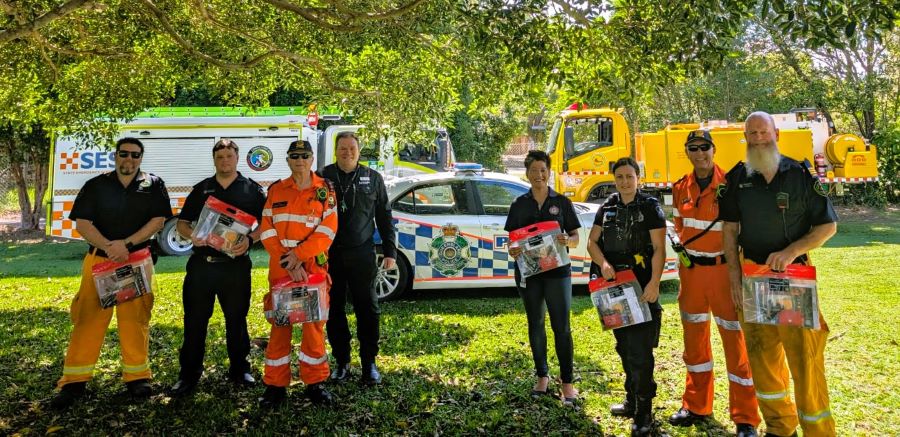
Noosa Council is committed to building a safer, more resilient community, working year‑round to reduce disaster risk through planning, infrastructure investment, education, and strong partnerships with local emergency services and government agencies.
Not every emergency becomes a disaster, but every event is an opportunity to prepare. Disaster resilience is about being able to reduce, withstand and recover from the impacts of severe weather in and around your home. This applies to everyone in our community—whether you’re nine or 89—because preparedness is a shared responsibility.
Council’s engagement focuses on groups where preparedness has the greatest impact, including local schools and the aged‑care sector (both facilities and retirement villages). These partnerships help ensure that residents of all ages understand their risks and know how to respond when conditions change.
Council’s Get Ready Noosa programs centre on three simple but powerful actions:
- Know your risk
- Make a household emergency plan
- Pack an emergency kit
These steps form the foundation of personal and community resilience, helping households stay safe, informed and ready to act during severe weather.
Get Ready Schools Program
One of the most effective ways to strengthen disaster resilience in Noosa is by engaging our Year 5–7 students. Through the Get Ready Schools program, up to 2,500 local students take part each year, helping build awareness and preparedness across the community.
Learning about local hazards
Many local schools and flexi schools study natural disasters and multi‑hazard events as part of their curriculum, often just before or during severe weather season. To support this learning, Council has developed an interactive Minecraft‑based presentation that teaches students how to prepare for real‑world even
The program focuses on Noosa’s four main disaster threats:
-
Floods
-
Storms
-
Heatwaves
-
Bushfires
Council’s Disaster Management team coordinates school visits ahead of each storm and bushfire season, joined by representatives from Queensland Police, Noosa SES and Queensland Fire Department.
What students experience during a visit
Each session includes:
-
An interactive presentation using Minecraft to explore local hazards
-
A tour of emergency services vehicles
-
Insights into how agencies work together during severe weather
-
An overview of Noosa’s Local Disaster Management Group (LDMG) and Local Disaster Coordination Centre (LDCC)
-
A look at how Council, Queensland Police and other emergency services coordinate response and recovery during an event
These hands‑on experiences help students understand how disasters unfold and what actions keep people safe.
Take‑home resources for families
At the end of each presentation, students receive a Get Ready Noosa emergency information pack to share with their parents or guardians. Each pack includes:
-
The Noosa Emergency Action Guide (pictured below)
-
An Emergency Severe Weather Plan
-
An Emergency Contact List
-
Partner resources such as the Rural Fire Service Bushfire Safety Guide, Queensland Ambulance Service First Aid booklet, and SES sandbagging tips
Two student favourites are also included: a compact first aid kit and a lanyard with a USB containing all materials, with QR codes linking back to the Noosa Disaster Dashboard.
To book a visit or find out more about the Get Ready Schools Program email the disaster education team.
Aged Care engagement
The Get Ready Noosa program works closely with aged‑care communities across the region - including over‑50s villages, lifestyle and independent‑living communities, and high‑acuity care facilities - to strengthen preparedness among some of our most vulnerable residents.
Annual disaster‑readiness workshop
Each year, in partnership with our Primary Health Network commissioning organisation, Council hosts a workshop for regional and facility managers. The session explores realistic disaster scenarios to build a clearer understanding of how emergencies unfold and how facilities can respond effectively. With support from Queensland Police, Noosa SES, Queensland Fire Department and Queensland Ambulance, the workshop reinforces the importance of a detailed facility disaster plan and the need for every centre to be fully prepared for potential evacuations.
Ongoing engagement with facilities
Throughout the year, the Get Ready Noosa team and emergency services partners conduct site visits with interested aged‑care facilities. These sessions are tailored to residents or staff, depending on what each facility prefers, and focus on building personal and organisational resilience. Conversations often centre on the Noosa Emergency Action Guide, the Noosa Disaster Dashboard, how to sign up for Noosa Alert, and the roles Council and emergency services play in preparedness, response and recovery.
Take‑home resources for residents
Every attendee receives a Get Ready Noosa emergency information pack and is encouraged to prepare a household emergency kit that would support them for three to ten days if an evacuation became necessary. These packs help residents understand local risks, organise essential items, and make informed decisions during severe weather. To learn more about the aged‑care resilience program or to collect a free emergency information pack, call Council on 5329 6500.
Simtable and Noosa 'Big Map'
Our Queensland‑first Simtable uses 3D hazard‑mapping technology to show residents how disasters—particularly bushfires—could affect their homes, neighbourhoods and evacuation routes. This immersive tool helps people visualise real‑world fire behaviour and better understand their personal level of risk. Council’s Disaster Resilience and Fire Management team partners with the Queensland Rural Fire Service to deliver workshops for interested residents and community groups.
How the Simtable and Big Map support community preparedness
The Noosa Big Map is a 5 m × 4.5 m floor map of the region, which is used alongside the Simtable to engage locals in conversations about their exposure to bushfire, flood and cyclone hazards. The scale of the map encourages people to step into their landscape, identify risks around their home or facility, and consider practical preparedness actions. These sessions remain especially popular with aged‑care facilities but can be adapted for any community group.
Both tools highlight the importance of:
-
Developing a detailed household or facility emergency plan
-
Understanding local evacuation routes and triggers
-
Preparing early for bushfire, flood or cyclone impacts
-
Knowing how to act quickly if an evacuation becomes necessary
Supporting aged‑care facilities
For aged‑care providers, the Simtable and Big Map presentations offer a valuable opportunity to plan for how a disaster could affect their village layout, resident mobility, access roads and communication needs. Facilities use these insights to refine evacuation procedures and strengthen their own emergency plans.
To learn more about the Simtable or the Noosa Big Map, call 5329 6500 and ask to speak with a member of Council’s Disaster Management team.
Community Engagement
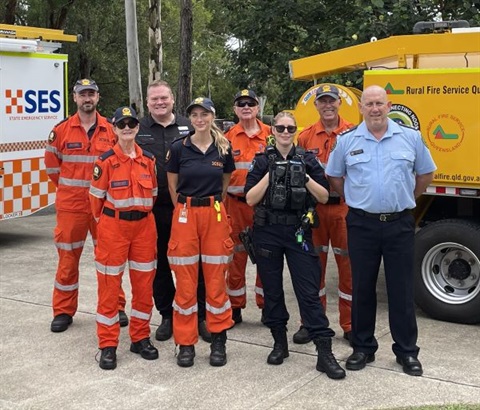
Community members who want to better understand their local risks during severe weather can take part in our Get Ready Noosa community engagement sessions. These usually take place on weekends in a local park or gathering space, where emergency services agencies come together to deliver a multi‑hazard briefing tailored to the neighbourhood.
What happens during a community session
These sessions, coordinated by Council’s Disaster Management team, bring together representatives from Queensland Police, Noosa SES, Queensland Fire Department and Queensland Ambulance. Agencies meet informally with residents to discuss the hazards most relevant to their area and the practical steps households can take to prepare. Topics commonly covered include:
-
Bushfires
-
Storms
-
Flooding
-
Heatwaves
-
Cyclones
-
Hazard‑reduction burns
-
Permits to burn
The relaxed setting encourages open conversation, giving residents the chance to ask questions and receive direct guidance from the people who respond during real emergencies.
How these visits support community resilience
These sessions take time to coordinate but offer significant value. Residents gain a clearer understanding of their local risks, learn how to strengthen their own household emergency action plan, and build confidence in how to respond if conditions change quickly.
Every attendee receives a Get Ready Noosa emergency information pack to take home, helping them continue their preparedness planning with their household.
To discuss whether a session would benefit your community, contact Council’s Disaster Management team on 5329 6500.
Noosa Sea Wall project
Council is undertaking a new project to design a future replacement of the Noosa Main Beach seawall. Find out more about this important project that will strengthen the Noosa Main Beach precinct's resilience to natural disasters and rising sea levels due to climate change.
Fire Management
Council’s Fire Management team works closely with our Disaster Resilience program to support community preparedness. This includes delivering tailored workshops for local aged care facilities, and a range of community engagement sessions.
From our involvement in Backing onto Bush workshops to facilitating scenario‑based community sessions using tools such as the Simtable and Big Map, Council maintains a strong and ongoing partnership with the Queensland Fire Department (Rural Fire Service) and Queensland Parks and Wildlife. Together, we’re helping build safer, more resilient communities. For more information about Council's Fire Management activities, click here.